
PPE2.0: Advancing Net Energy Evaluation in Danish Pig Feed?
A Comprehensive Guide for Animal Nutritionists, Feed Producers, and Swine Industry Professionals
Introduction
Potential Physiological Energy version 2 (PPE2.0) marks a significant advancement in the way net energy is evaluated in pig feed. PPE2.0 builds upon the foundations laid by its predecessor, PPE1.0, to provide a more accurate, efficient, and sustainable system for calculating the energy value of feed ingredients.
1. Understanding PPE2.0: Definition and Evolution
PPE2.0 is the second iteration of the Potential Physiological Energy system, designed to quantify the usable energy provided by nutrients. The evolution from PPE1.0 to PPE2.0 reflects a major review of net energy estimates, incorporating the latest scientific insights and practical data from Danish pig production. PPE2.0 refines the calculation models, addresses previous limitations, and aligns with updated standards in animal nutrition.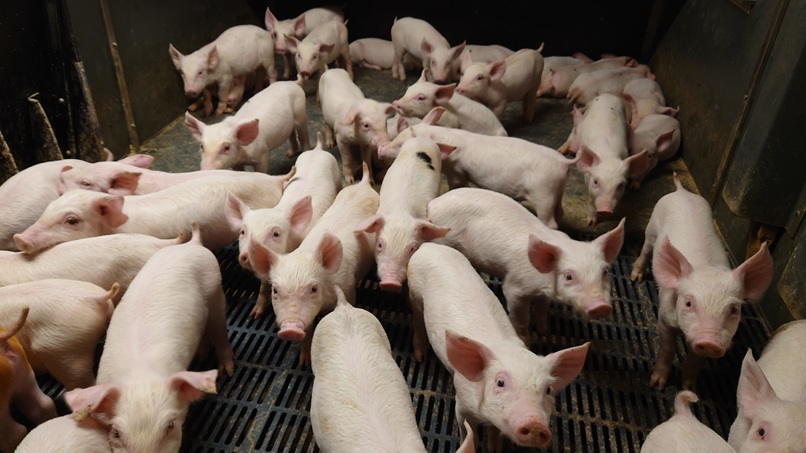
2. Development and Implementation in Denmark
Denmark has long been recognised as a leader in swine nutrition research and innovation. The development of PPE1.0 involved collaboration between academic researchers, industry stakeholders, and regulatory bodies. Rigorous field trials and laboratory analyses ensured that the system was robust and adaptable to commercial pig farming conditions. Since its introduction, PPE1.0 has been widely adopted across Denmark, setting a benchmark for energy evaluation in pig feed.
3. Net Energy Calculation: From PPE1.0 to PPE2.0
One of the core contributions of PPE2.0 is its enhanced methodology for calculating net energy. Unlike gross or digestible energy systems, net energy reflects the actual energy available to pigs for maintenance and growth after accounting for losses due to digestion, metabolism, and excretion. PPE2.0 incorporates updated coefficients, improved ingredient characterisation, and modern analytical techniques, resulting in more precise and reliable net energy values for a wide range of feedstuffs.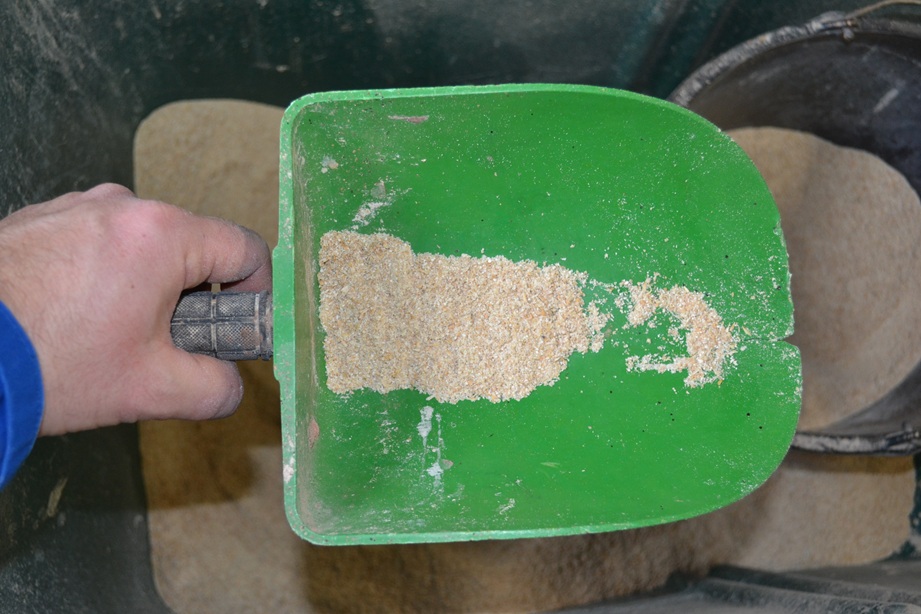
4. Updated Nutrient Recommendations
The introduction of PPE2.0 prompted a comprehensive review and update of nutrient recommendations for pigs. By providing a more accurate assessment of energy supply, PPE2.0 enables nutritionists to fine-tune diet formulations, ensuring pigs receive optimal levels of protein, amino acids, minerals, and vitamins relative to their energy intake. This alignment supports better animal health, productivity, and feed efficiency.
5. Benefits of PPE2.0: Performance, Cost, and Sustainability
· Improved Pig Performance: More accurate energy evaluation supports precise diet formulation, leading to better growth rates and feed conversion ratios.
· Lower Feed Costs: By minimising energy wastage and optimising nutrient use, PPE2.0 helps reduce overall feed expenditure.
· Reduced Carbon Footprint: Efficient energy use translates to lower greenhouse gas emissions per kilogram of pork produced, contributing to more sustainable pig production.
6. Supporting Customers with PPE2.0
Adopting PPE2.0 is supported by a wealth of technical resources, training programmes, and expert advice from Danish nutritionists and industry partners. Customers have access to comprehensive guidelines and ongoing support to ensure the successful integration of PPE2.0 into their operations.